
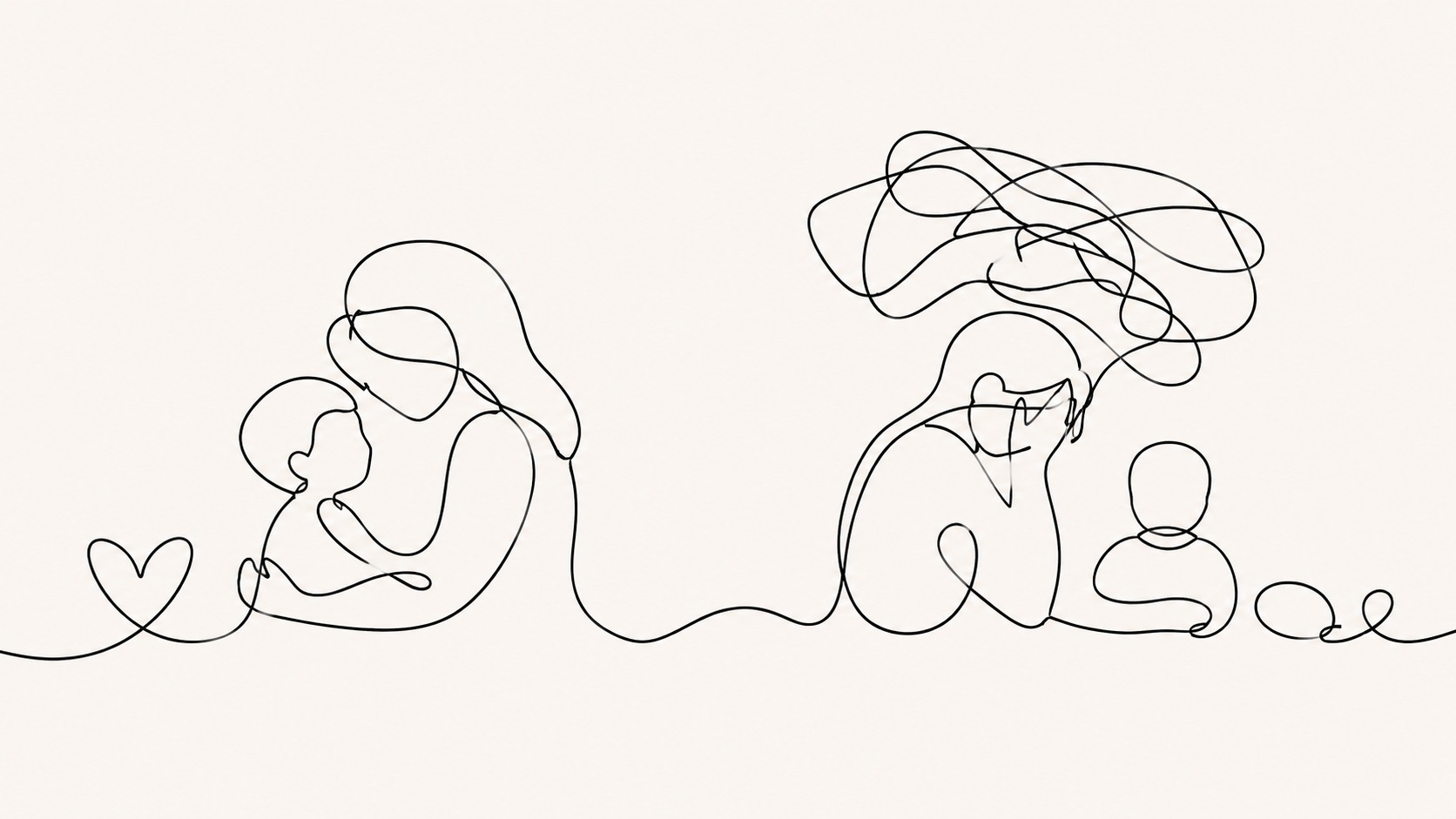
Parenting stress is normal. Parental burnout is different: the strain becomes chronic, recovery stops working and the parent may feel exhausted, emotionally distant and unlike the parent they used to be.
Key takeaways
- Parenting stress often rises during difficult periods and decreases when demands or sleep improve.
- Parental burnout is a chronic stress-related condition involving exhaustion, emotional distancing and loss of fulfilment in parenting.
- Burnout does not mean a parent does not love their child; it signals prolonged overload and depleted resources.
- Early support matters because severe parental burnout is associated with harmful consequences for parents and children.
What normal parenting stress looks like
Parenting includes interrupted sleep, conflict, uncertainty and practical demands. Stress may surge during illness, school transitions, financial problems or developmental stages. A stressed parent can feel irritable or exhausted and still recover when the difficult period passes or support becomes available.
Normal stress can be intense. The difference is not whether parenting feels hard, but whether the system can return toward baseline.
What parental burnout looks like
Research describes parental burnout as a chronic stress-related condition caused by a long-lasting imbalance between parenting demands and available resources. Core features include intense exhaustion related to parenting, emotional distancing from children, loss of fulfilment and a painful contrast with the person’s previous parental self.
A parent may continue completing practical tasks while feeling emotionally absent, trapped or unable to enjoy contact that once felt meaningful.
Parenting stress and parental burnout compared
| Feature | Parenting stress | Parental burnout |
|---|---|---|
| Duration | Often linked to a phase or event | Persistent over weeks or months |
| Recovery | Improves with rest or support | Ordinary rest no longer feels sufficient |
| Emotional connection | Frustration but connection remains accessible | Emotional distancing or numbness becomes common |
| Sense of self | “This period is hard” | “I no longer recognise myself as a parent” |
What increases the risk?
Risk grows when demands remain high and resources remain low. Contributing factors can include caregiving without breaks, lack of practical support, perfectionistic parenting standards, conflict between work and family, financial pressure, caring for a child with complex needs and chronic health problems.
Risk is not proof of personal failure. Many causes are structural and relational, which is why recovery often requires more than individual coping techniques.
Why early support matters
Studies have linked severe parental burnout with escape thoughts, conflict, neglect and harsh behaviour. This does not mean burned-out parents are bad people. It means prolonged depletion can reduce patience, emotional availability and self-control.
Recognising the pattern early protects both the parent and child. Shame tends to delay help; accurate naming can open the door to practical support.
First steps toward recovery
Begin by telling a trusted person what is happening. Identify which demands can be reduced, shared, postponed or done less perfectly. Protect small periods of recovery and ask for concrete help rather than general encouragement.
Professional support may be needed when exhaustion is severe, the parent feels detached most of the time, conflict is escalating or depression and anxiety are also present.
Reflect on your parental burnout symptoms
The MindLabIQ Parental Burnout Test explores exhaustion, emotional distance and loss of fulfilment. It is not a diagnosis.
View the Parental Burnout TestWhen safety is a concern
If you fear you may harm yourself, your child or another person, create distance from the immediate situation when possible and contact local emergency or crisis support. Ask another safe adult to take over care. Online content cannot provide emergency intervention.
Common questions
Does parental burnout mean I do not love my child?
No. Emotional distance can be a protective response to severe depletion and can coexist with love and concern.
Can a weekend away fix parental burnout?
A break can help, but lasting recovery usually requires changes to the ongoing balance of demands, support and expectations.
Is parental burnout a diagnosis?
It is a researched stress-related condition, but it is not currently a formal psychiatric diagnosis. A professional can assess related mental-health concerns.
Sources and further reading
- Mikolajczak, M. et al. (2020). Parental burnout: moving the focus from children to parents.
- Roskam, I. et al. (2017). Development and validation of the Parental Burnout Inventory.
- Brianda, M. et al. (2023). Optimizing the assessment of parental burnout.
- Mikolajczak, M. et al. (2018). Consequences of parental burnout.
- Bayot, M. et al. (2024). Treating parental burnout.
Responsible-use notice
This article is educational and cannot assess family safety or diagnose a mental-health condition. Seek urgent local help if you are concerned that you may harm yourself, a child or another person.