
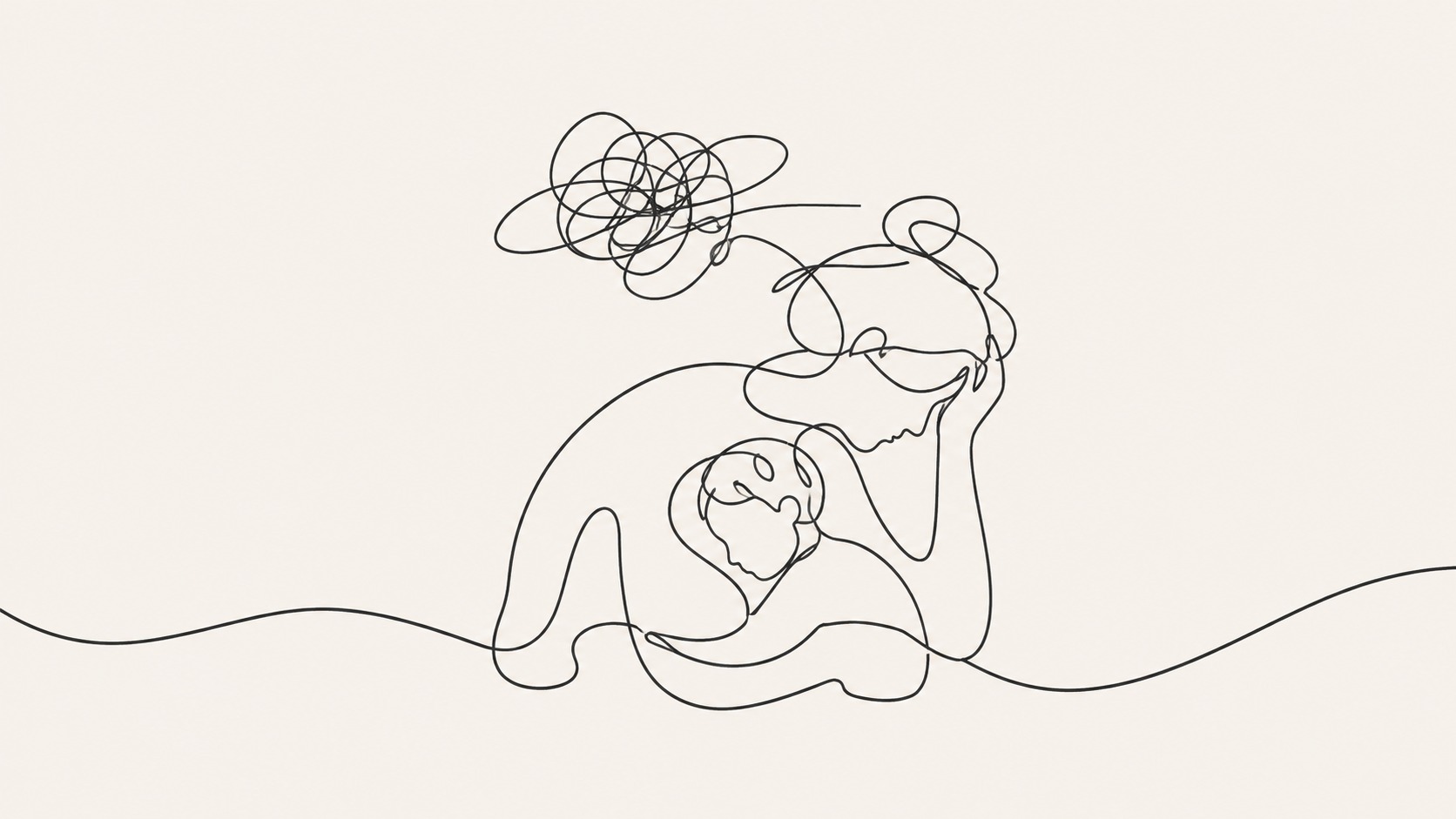
Parental burnout is a parenting-specific condition marked by intense exhaustion, emotional distancing from one’s children, feeling fed up with the parental role and a painful contrast with the parent one used to be. It develops when parenting demands chronically outweigh available resources.
Key takeaways
- Parental burnout is more persistent and impairing than an ordinary stressful week.
- Core features include exhaustion, emotional distance, feeling fed up and a sense of no longer being the parent one was.
- Burnout does not mean a parent lacks love; it signals prolonged overload and depleted capacity.
- Safety concerns, thoughts of escape or fear of harming oneself or a child require immediate professional or emergency support.
What is parental burnout?
Parental burnout is not the same as work burnout, although both involve chronic stress and depletion. The symptoms are anchored specifically in the parenting role. A parent may still function adequately at work while feeling emotionally and physically emptied by caregiving.
Research using the Parental Burnout Assessment describes four related dimensions: exhaustion in the parental role, contrast with the previous parental self, feeling fed up with parenting and emotional distancing from children.
1. Exhaustion linked to parenting
This is more than being tired after a difficult day. Parents may wake already depleted by the thought of another day of demands. Routine activities—meals, school preparation, conflict, bedtime—can feel impossible before they begin.
- Feeling emotionally empty or physically drained around parenting tasks
- Needing long periods to recover from ordinary family stress
- Feeling unable to tolerate noise, questions or repeated interruptions
- Experiencing dread when thinking about the next parenting responsibility
Sleep may not solve the problem because burnout is not only sleepiness. It is a sustained mismatch between demands and resources.
2. Emotional distancing from children
When closeness feels like another demand, a depleted parent may protect themselves by becoming emotionally distant. Practical care continues, but warmth, curiosity and enjoyment become difficult to access.
- Operating on “autopilot” during routines
- Avoiding play, conversation or affection because it feels overwhelming
- Responding only to practical needs and withdrawing from emotional contact
- Feeling numb or detached, followed by guilt and shame
Emotional distance is a warning sign of overload, not proof that love has disappeared.
3. Feeling fed up and unlike your former parental self
Parents often describe a painful before-and-after contrast: “I used to be patient,” “I used to enjoy this,” or “I no longer recognise myself.” They may feel trapped in the parental role, resent ordinary requests or believe they are failing their children.
This self-judgement can intensify burnout. Shame makes it harder to ask for help, while isolation removes the resources needed for recovery.
| Symptom cluster | How it may appear | When to pay close attention |
|---|---|---|
| Exhaustion | Feeling empty before the day begins; routine care feels unmanageable | Rest no longer restores capacity and symptoms persist for weeks |
| Emotional distancing | Going through the motions while feeling absent or numb | Distance becomes the default and connection feels consistently intolerable |
| Feeling fed up | Resentment, irritability, fantasies of escaping the parental role | Thoughts become frequent, frightening or linked with loss of control |
| Contrast with former self | “I used to be patient; now I explode.” | Shame and hopelessness prevent the parent from seeking help |
Parental burnout versus ordinary parenting stress
Normal stress rises and falls. A difficult phase, illness or sleep disruption may temporarily overwhelm a family, but some relief returns when the situation changes or support arrives.
Burnout is more persistent. Recovery becomes difficult, emotional connection declines and the parent’s view of themselves deteriorates. The distinction is not a fixed number of days; it is the combination of duration, intensity and impact.
Not a moral failure: Burnout develops within a system. Lack of childcare, financial pressure, disability, relationship conflict, perfectionistic expectations and unequal distribution of care can all reduce a parent’s available resources.
Reflect on parental burnout symptoms
The MindLabIQ Parental Burnout Test is a structured self-assessment for reflection. It does not diagnose a mental disorder or evaluate family safety.
Explore the Parental Burnout TestWhat to do if these symptoms feel familiar
- Name the problem without blame. “I am overloaded” is more accurate and useful than “I am a terrible parent.”
- Tell someone clearly. Use concrete language about exhaustion, distance and loss of control rather than saying only that you are stressed.
- Reduce demands where possible. Suspend non-essential standards and redistribute practical tasks.
- Create real recovery. Recovery is time in which another responsible adult carries the demand—not merely doing household work alone.
- Seek professional support. A doctor, psychologist, psychiatrist or family service can help assess burnout, depression, anxiety, sleep and safety.
Research has linked severe parental burnout with escape thoughts, neglect and harsh behaviour. This association is a reason to intervene early, not a reason for shame.
If you fear you may harm yourself, your child or another person, step away from the immediate situation if this can be done safely, place the child with a safe responsible adult, and contact emergency services or an urgent crisis service now.
Common questions
Can loving parents experience parental burnout?
Yes. Burnout reflects chronic imbalance between demands and resources, not the absence of love.
Is parental burnout an official diagnosis?
It is a well-studied syndrome, but it is not currently a standalone diagnosis in major diagnostic manuals. A professional can assess related conditions and the family context.
Can a weekend away cure parental burnout?
A break may help, but severe burnout usually requires ongoing changes in support, workload, expectations and sometimes professional treatment.
Sources and further reading
Responsible-use notice
This article and the MindLabIQ Parental Burnout Test are for general information and self-reflection. They do not diagnose a condition or assess immediate safety. Contact qualified care for persistent symptoms and emergency services immediately if anyone may be in danger.