
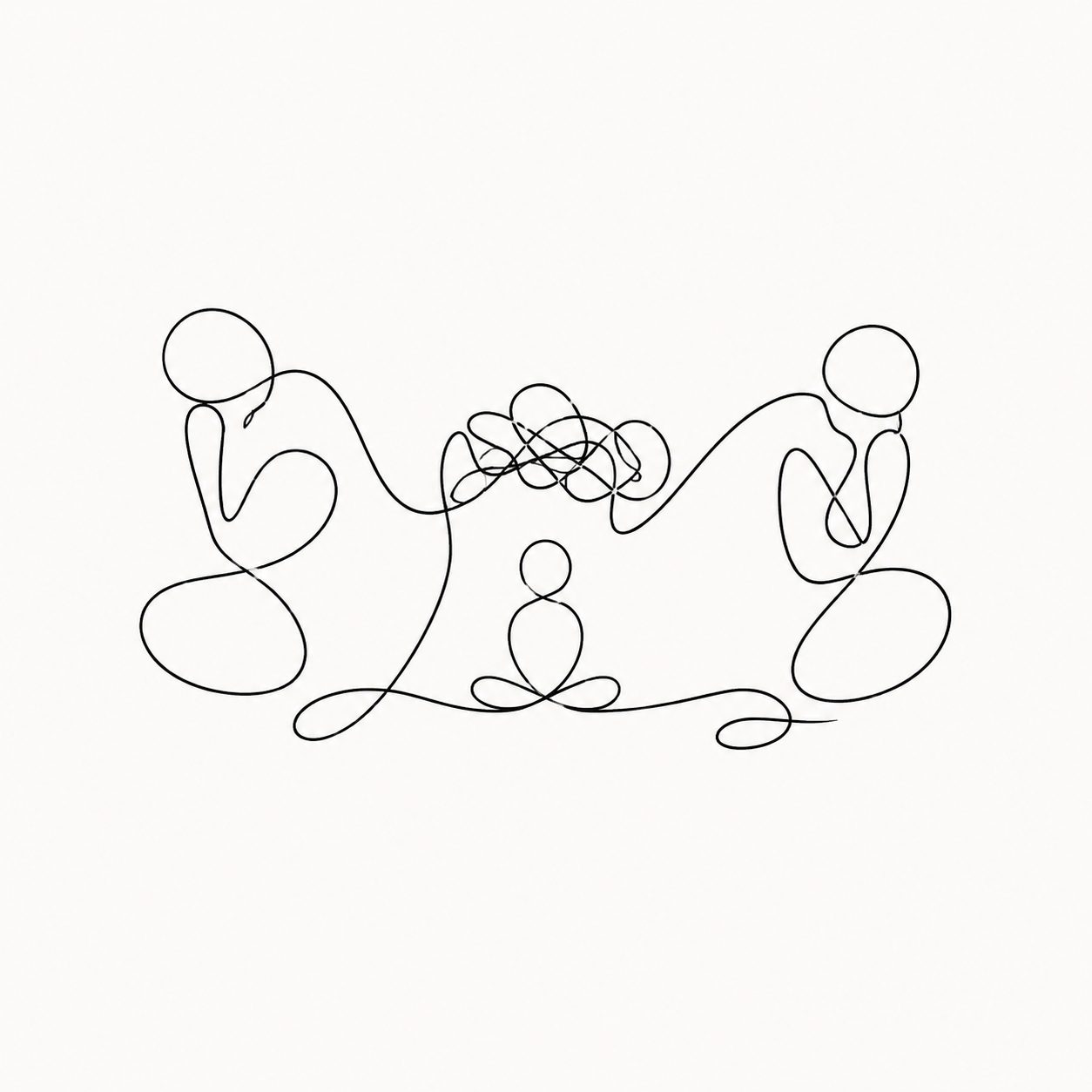
Parental burnout is not evidence that a parent does not care. It is a state of severe depletion that can reduce the energy available for patience, attention and repair. Understanding the possible family effects is meant to support earlier help—not to add blame.
Key takeaways
- Burnout can reduce emotional availability and increase irritability, withdrawal and inconsistent responses.
- Research finds associations with marital conflict, neglectful behaviour and harsh reactions, especially at severe levels.
- Association does not mean every burned-out parent will harm a child, and shame can make help-seeking harder.
- Practical support, treatment and safety planning can reduce risk and support reconnection.
Emotional availability under chronic exhaustion
Children depend on caregivers not only for practical care but also for repeated signals of attention, comfort and predictable response. When a parent is burned out, essential tasks may still be completed while emotional engagement becomes much harder.
The child may experience a parent who is physically present but mentally absent, or who has little energy for play and conversation. This does not prove a lack of love. It reflects a reduction in usable emotional resources.
Irritability, conflict and loss of patience
Chronic overload narrows the margin between a normal demand and an overwhelming one. Noise, repeated questions, bedtime resistance or sibling conflict can trigger a stronger reaction than they once did. Parents may shout more quickly or use harsher language, followed by guilt.
In family systems, reactions also affect one another. A stressed child may become more demanding or withdrawn, which can further increase the exhausted parent’s sense of failure. This feedback loop is one reason early intervention matters.
What the research shows—and what it does not
Studies have found that parental burnout is associated with marital conflict, escape thoughts, neglectful behaviour and violence toward children. Reviews also describe possible effects on children’s emotional and behavioural wellbeing.
These findings describe increased risk at the group level. They do not mean that every parent with burnout will neglect or harm a child. Severity, support, co-occurring mental-health conditions and family circumstances matter. The appropriate response is proportionate support and safety, not labelling all exhausted parents as dangerous.
Family signs that the situation needs attention
- You avoid being alone with your children because you fear losing control.
- Shouting, threats or rough handling are becoming more frequent.
- Basic care, supervision or medical needs are being missed.
- Your child appears unusually anxious, watchful, withdrawn or responsible for your mood.
- Conflict with a partner is increasing around parenting and support.
Any immediate safety concern deserves urgent action. Involve another trusted adult, create physical distance when safe, and contact local emergency or crisis services if someone may be harmed.
How parents can protect connection while recovering
Recovery does not require performing idealised parenting while depleted. Start with safety, predictable essentials and small moments of repair. A ten-minute calm routine can be more realistic than trying to create an entire perfect day.
Explain stress in age-appropriate language without making the child your caregiver: “I have been very tired and irritable. That is not your fault. I am getting help and working on calmer ways to respond.” Follow the statement with practical changes.
Support helps the whole family
Effective support can include redistributing care, reducing non-essential demands, treatment for parental burnout or co-occurring conditions, family support and practical respite. Intervention research suggests that parental burnout can improve and that reductions can be accompanied by better parenting behaviour.
Seeking help is a protective parenting action. It recognises that a depleted caregiver cannot solve a resource problem through guilt alone.
Take early warning signs seriously
The MindLabIQ Parental Burnout Test offers a structured reflection on exhaustion, emotional distancing and fulfilment. It does not assess child safety or replace professional evaluation.
Explore the Parental Burnout TestCommon questions
Does parental burnout always harm children?
No. Burnout is associated with increased risks, but family outcomes vary. Support, severity, co-occurring conditions and the parent’s actions all matter.
Should I talk to my child about my burnout?
Use simple, age-appropriate language, reassure the child that it is not their fault and avoid asking them to manage your emotions.
What should I do if I am afraid I may hurt my child?
Create distance when safe, involve another responsible adult immediately and contact local emergency or crisis services. Online information is not adequate for an immediate safety risk.
Sources and further reading
- Mikolajczak, M. et al. (2018). Consequences of parental burnout: specific effects on the parent, partner and child.
- Mikolajczak, M. et al. (2021). Consequences of parental burnout on the parent and children.
- Griffith, A. K. (2022). Parental burnout and child maltreatment.
- Szczygieł, D. et al. (2023). Parental burnout features and the family context.
Responsible-use notice
This article provides general educational information about parental burnout. It is not a diagnosis or a substitute for support from a qualified health professional. Seek urgent local help if you are worried about the immediate safety of yourself or a child.